O.D.E. II
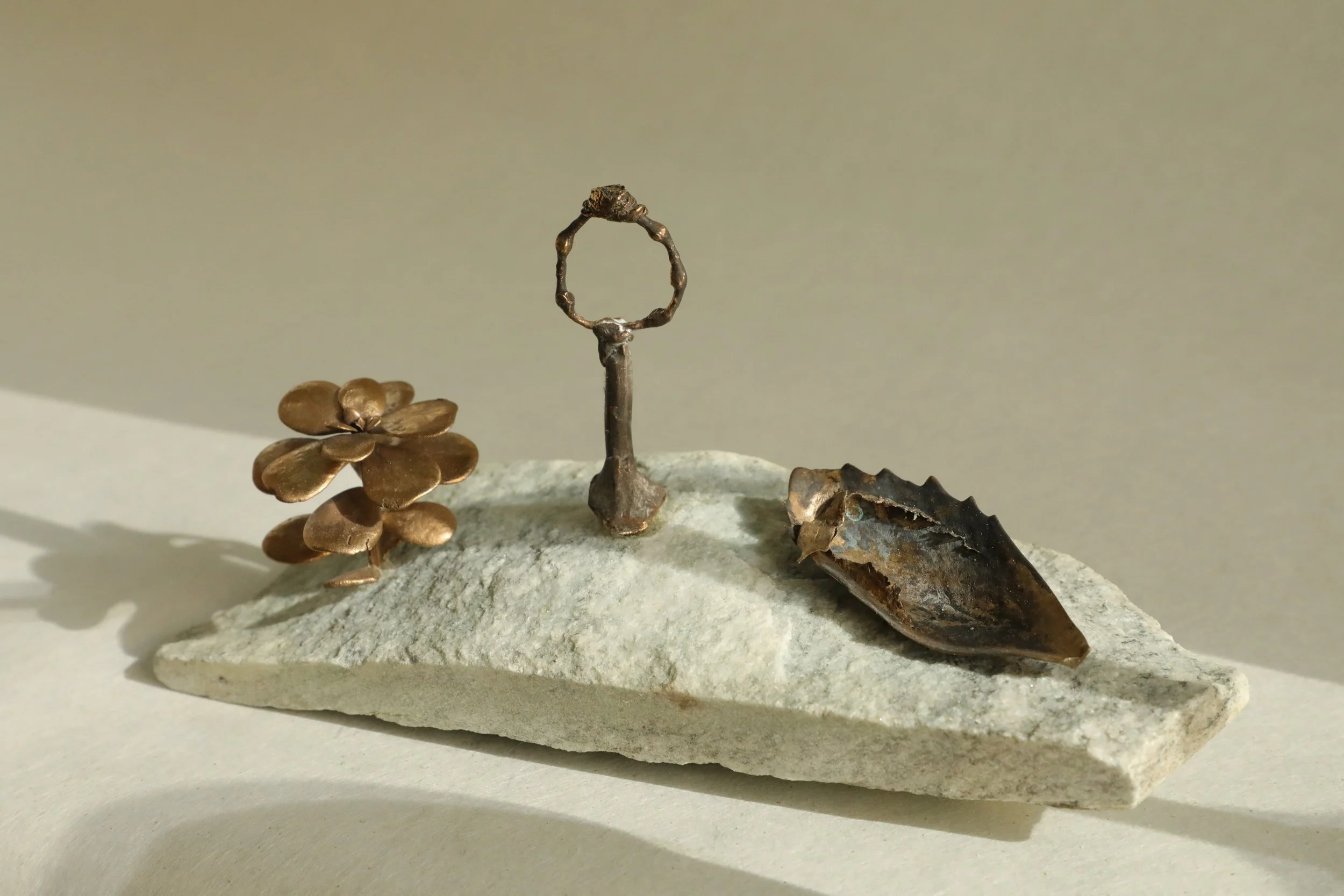
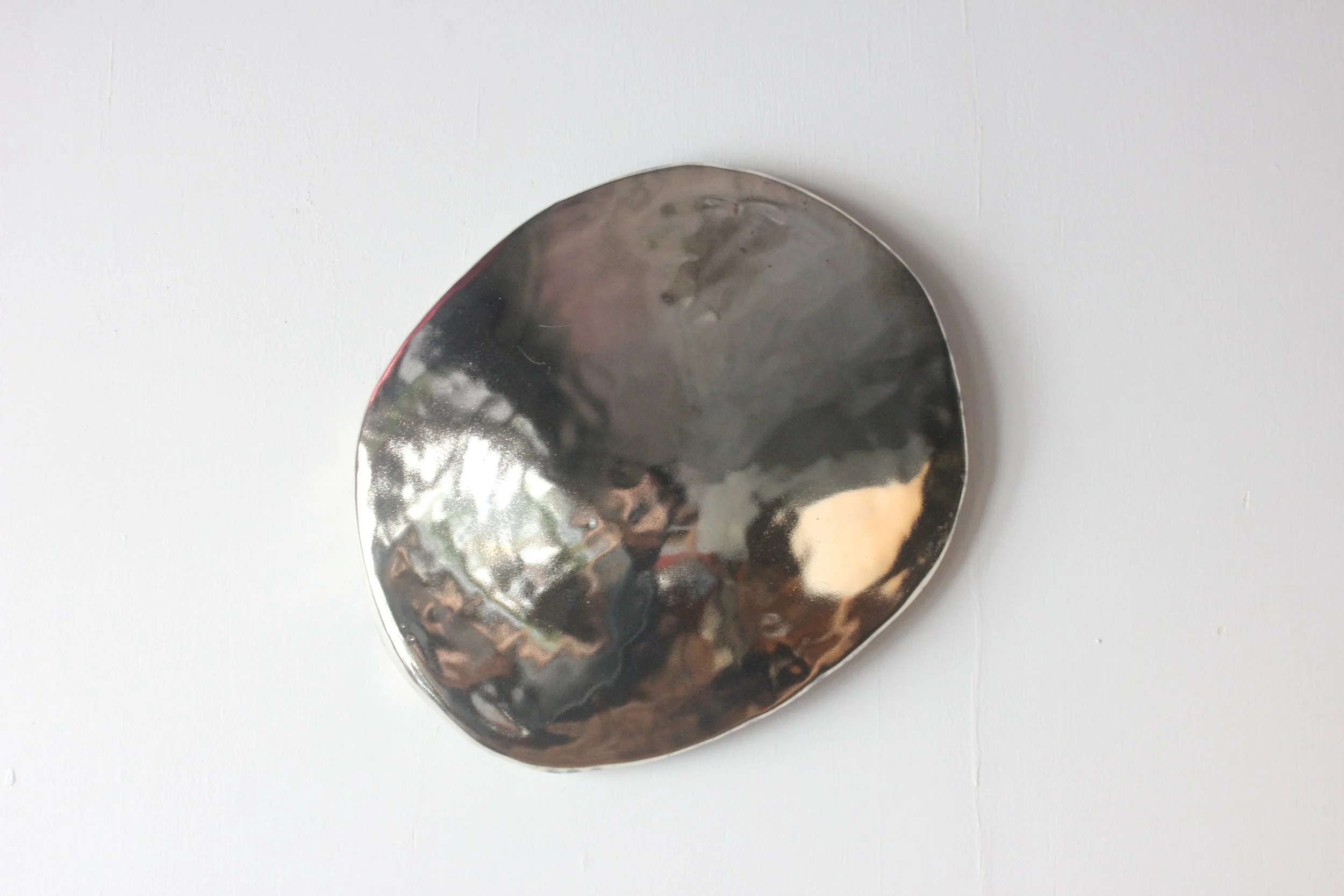
MIRROR_ceramic
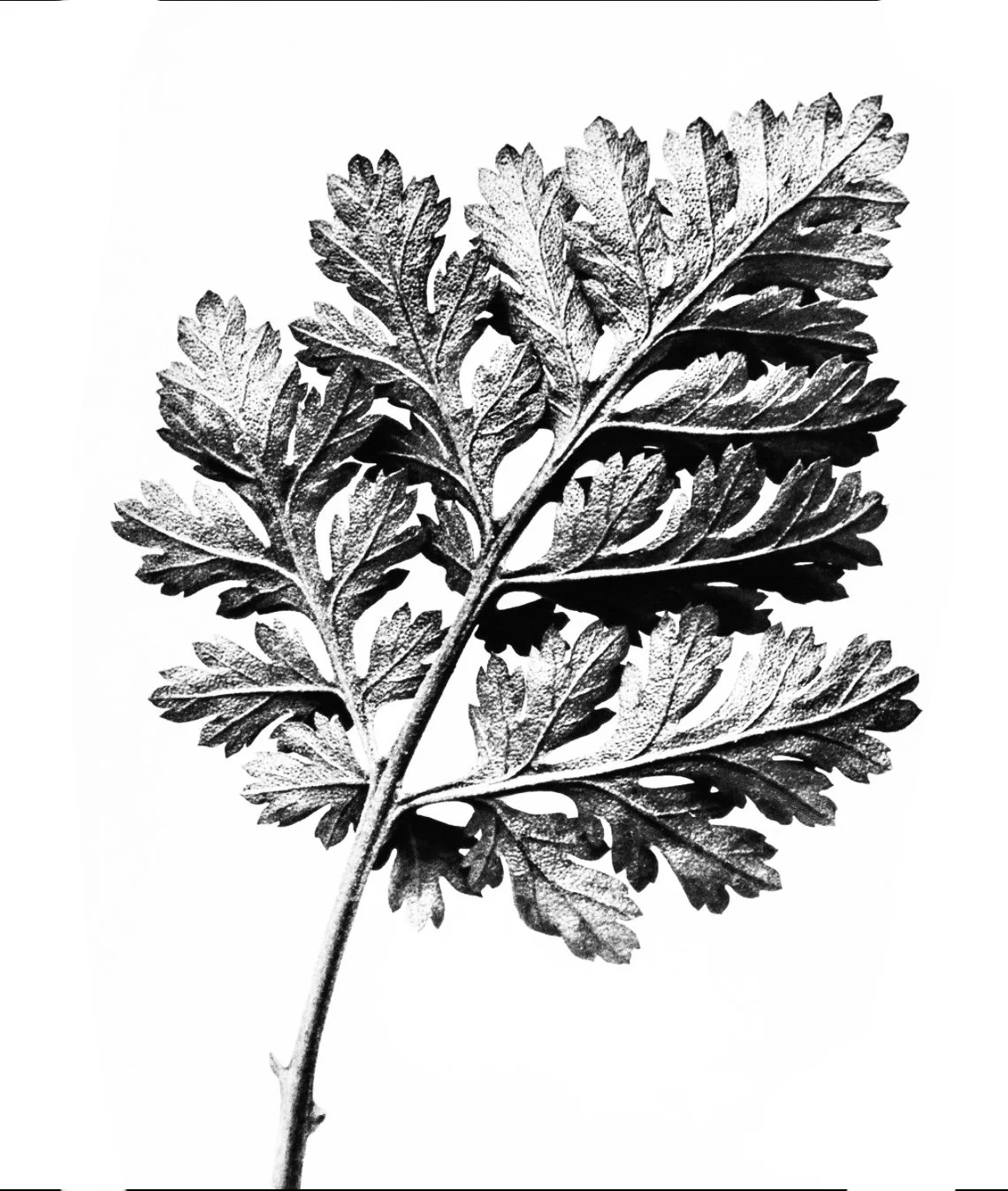
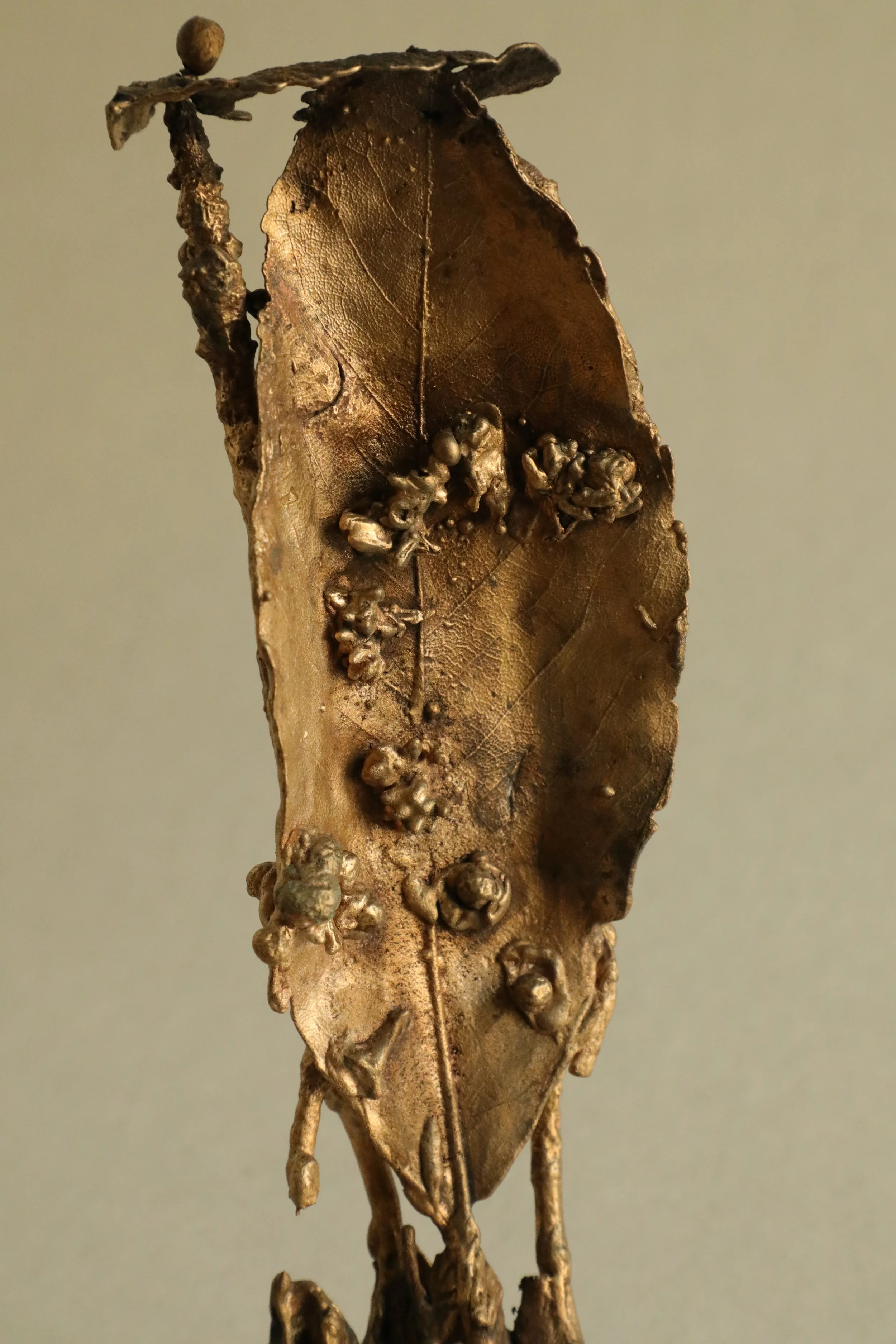
A leaf, fragile and temporary, speaks in the hushed language of its nature. We are confounded by its structure, and wonder along which lay lines its arched veins grew. Feeling through the air for our tethers to this world, and along the kaleidoscopic blossom that is our body. My fingers graze this life outstretched, and they awake to ability, agency, to action.
For my moment, I choose Beauty. For beauty is truth, because for one instant it solves the ineffable, making it unmistakably whole, harmonious and profound.
Over which edifice of nature does my life hang? I look into the eyes of beings, the textures of plants, the corners of society, to see what orders our material languages. What momentum keeps this world together? What is the shape of our wisdom grown?
Breathing and beating and walking and worrying myself into the future.
My love falls only onto this border of becoming into which I am impaled.
Within the cacophony these works are what I can reach.
This is a choice of reverence to which we belong. To make ‘beauty in being’, a religion of making.
SERIES
Process & Technique
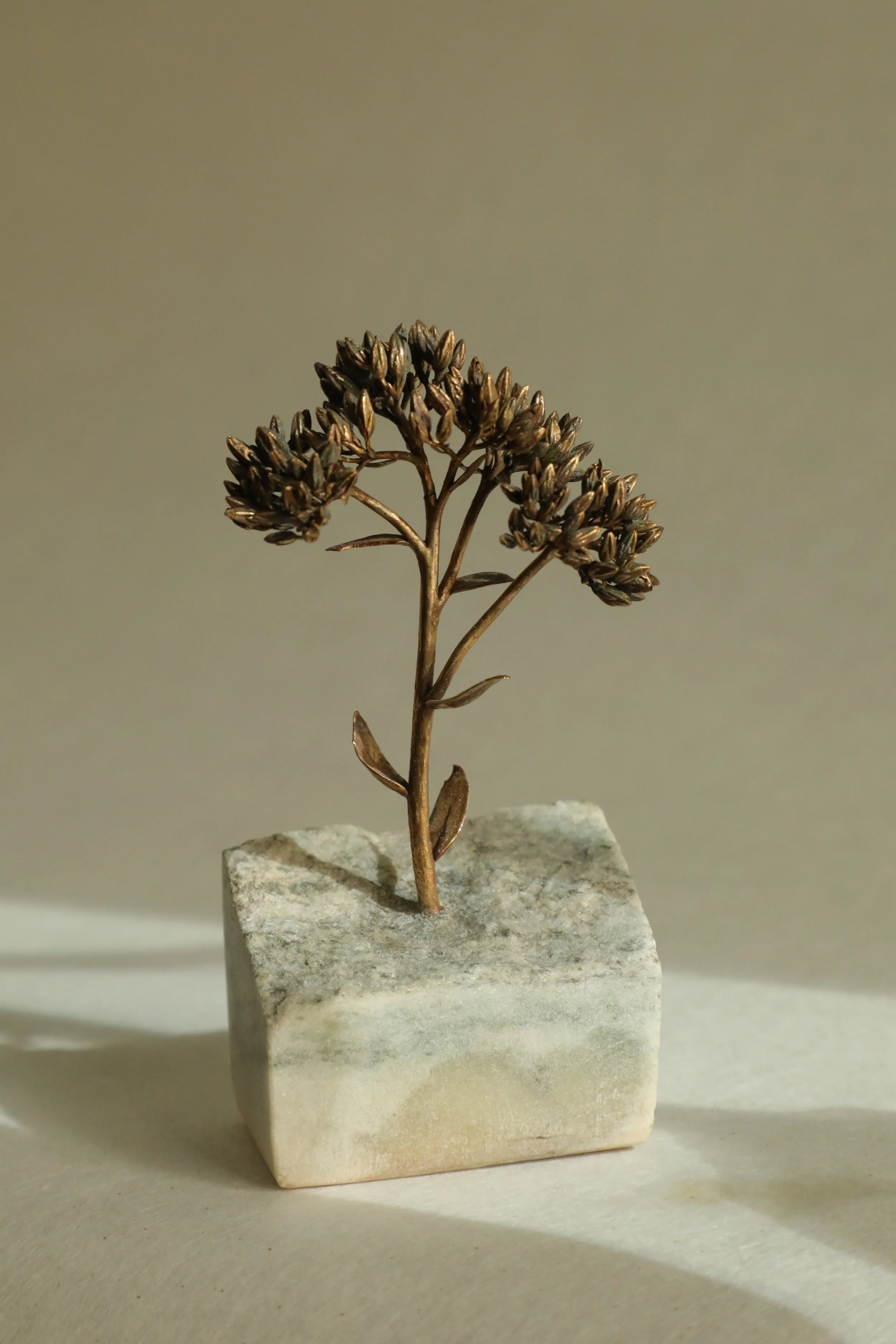
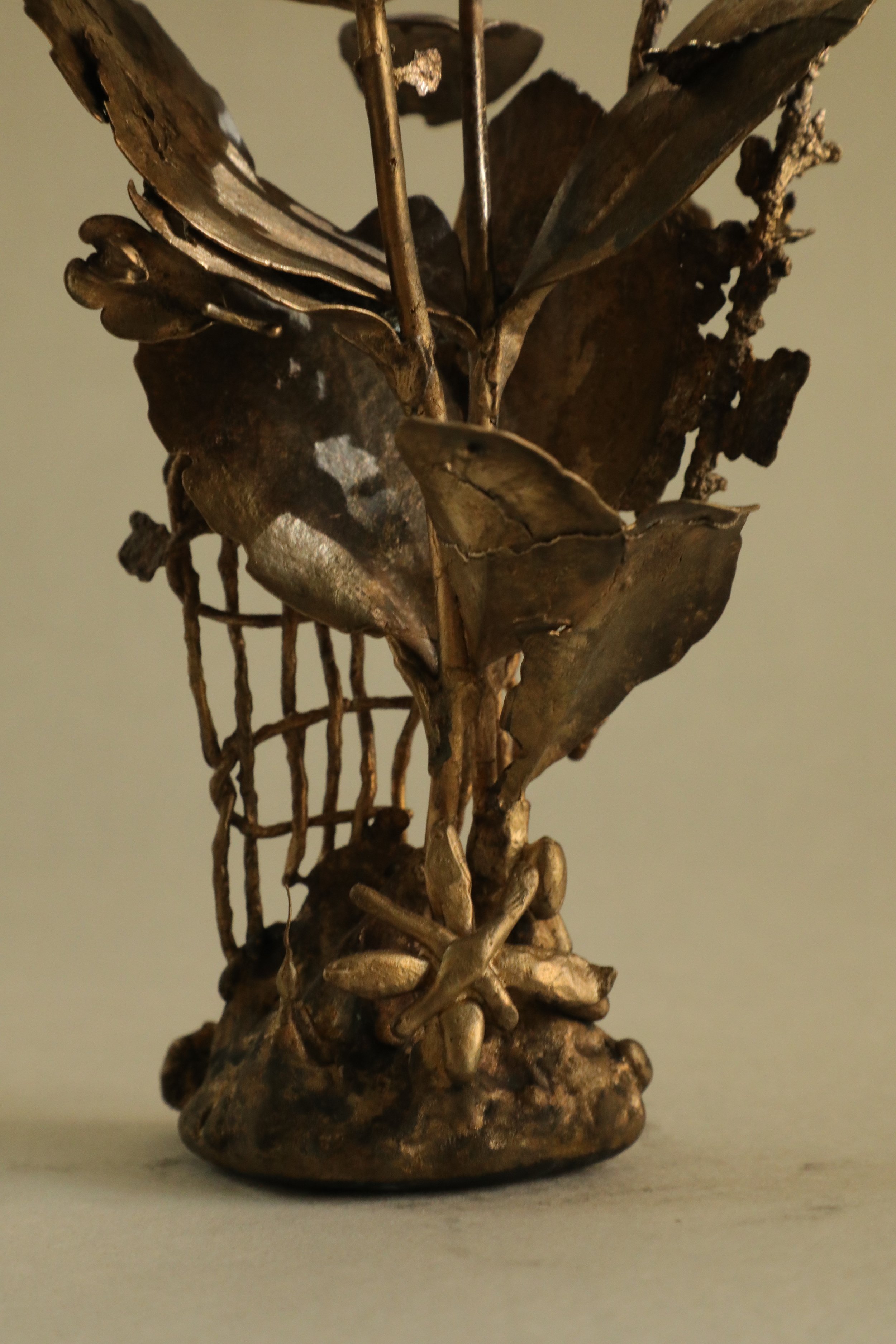
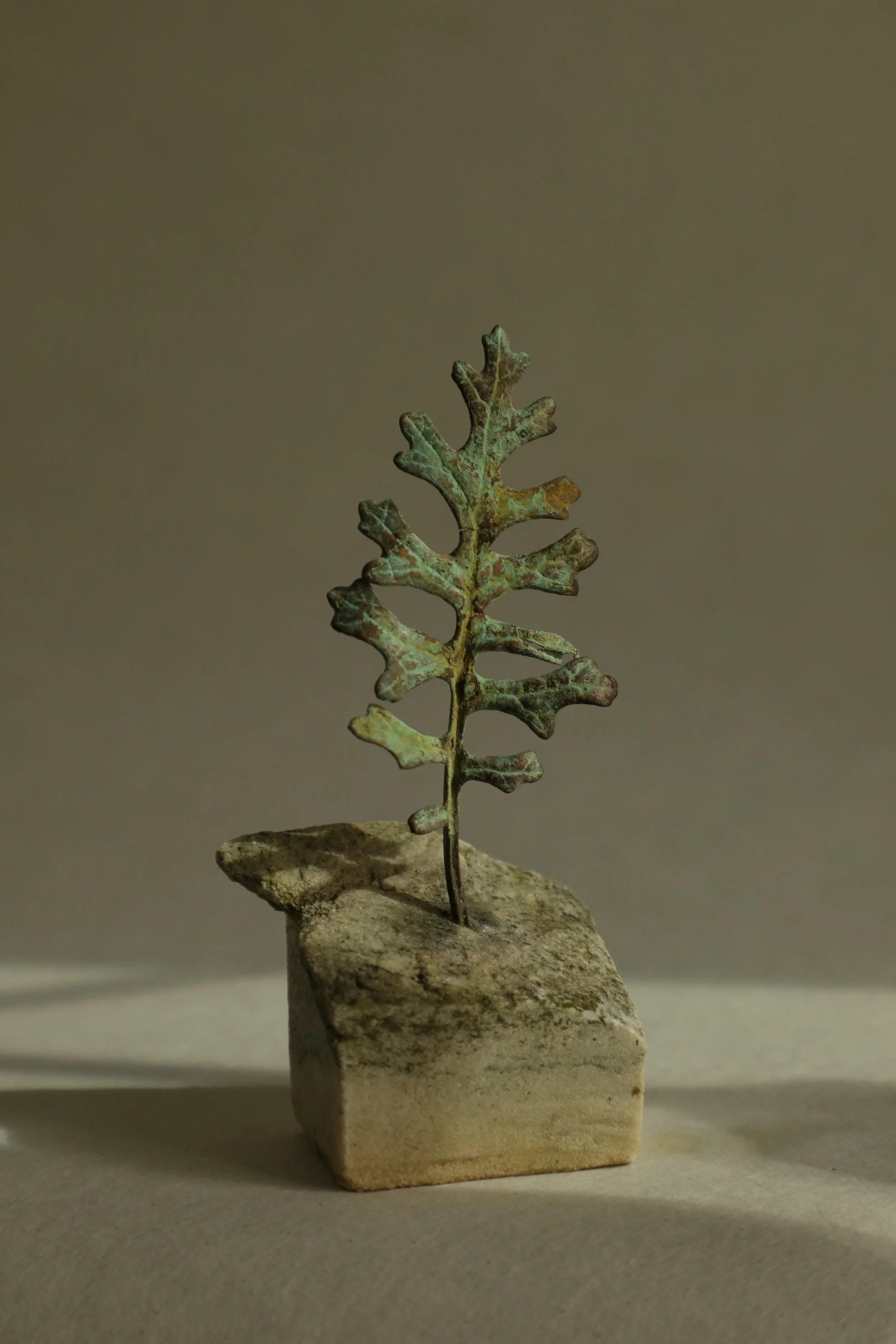
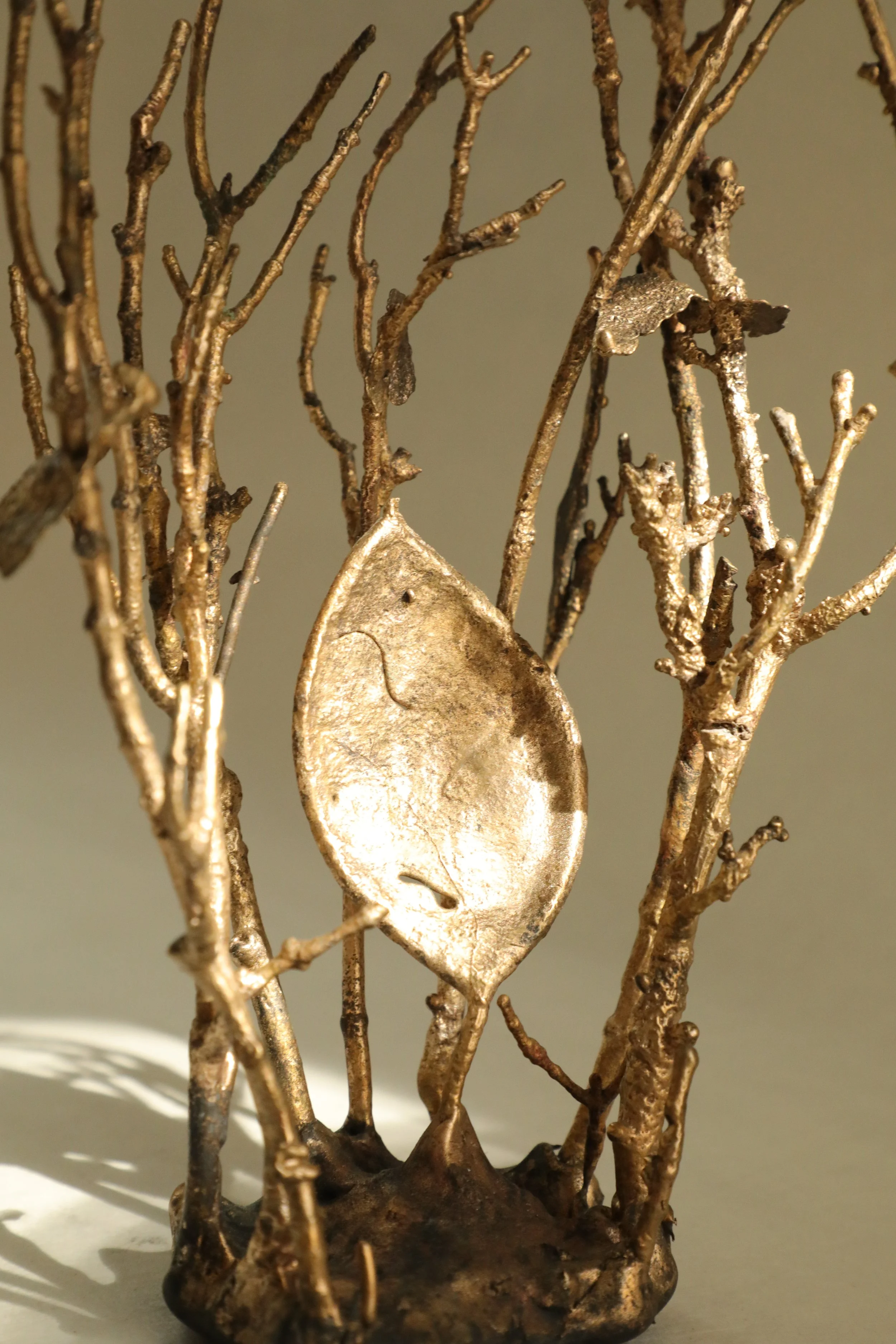
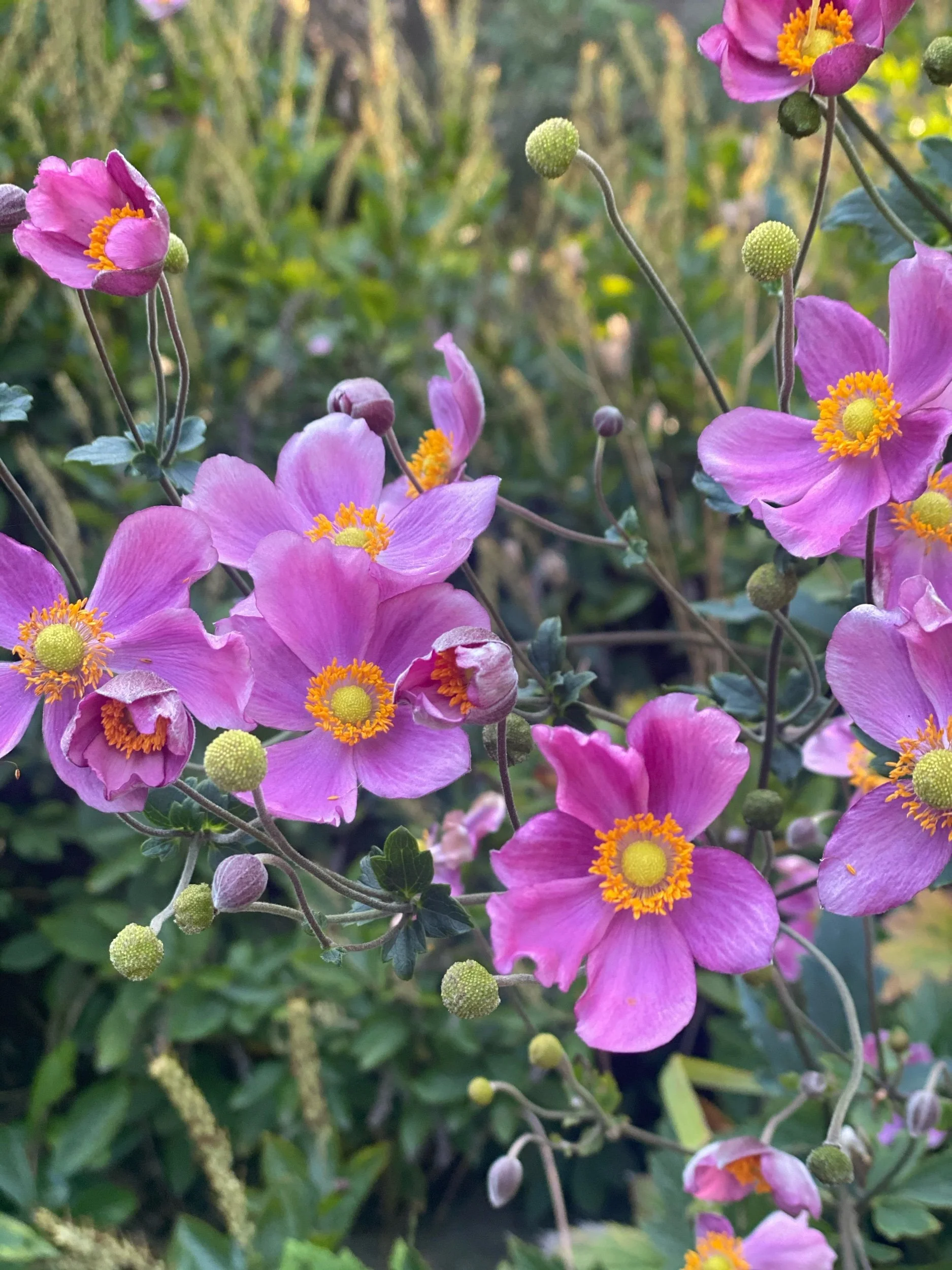
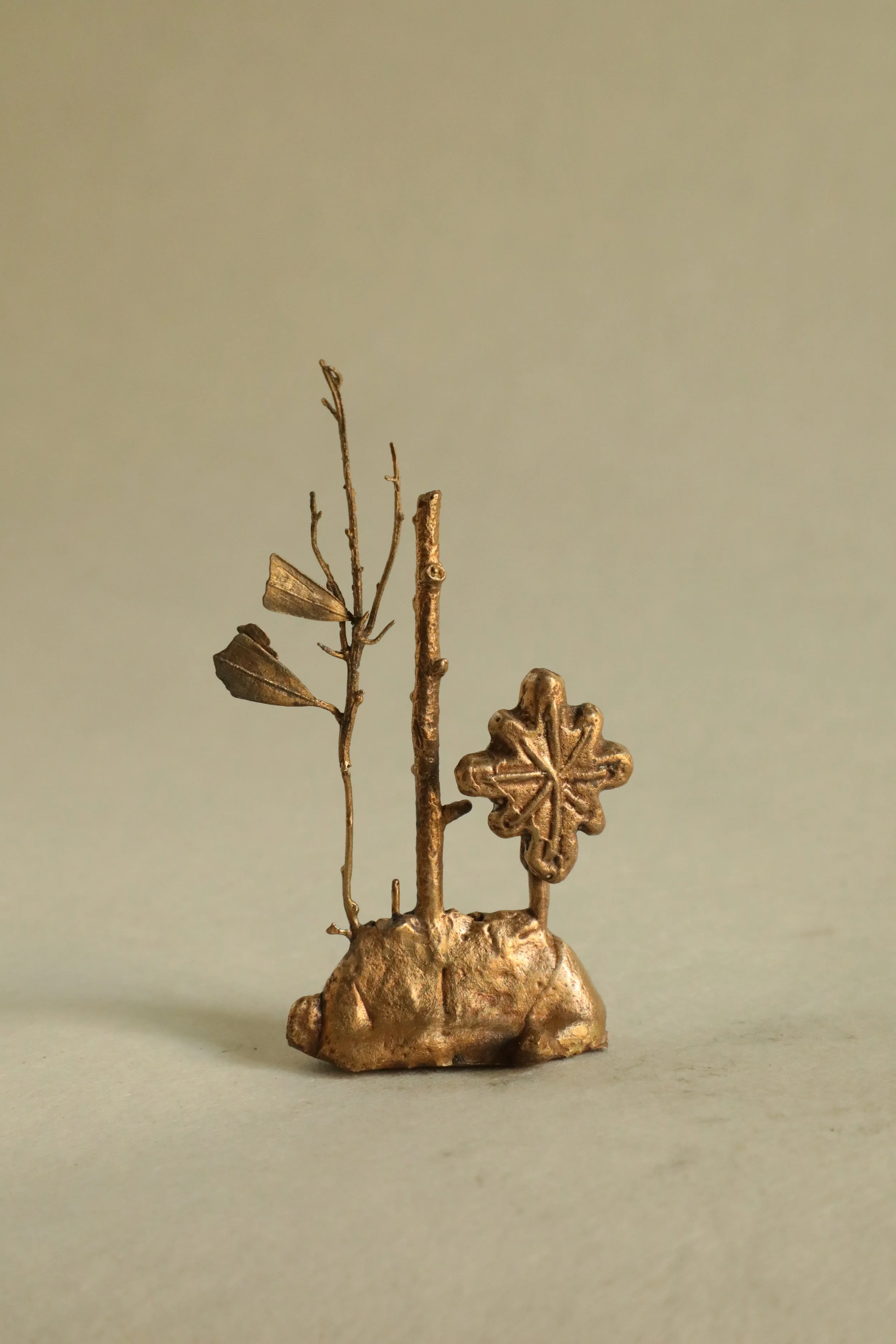
The inaugural edition of ODE Studio begins with bronze castings of natural forms. Each work originates in nature, where leaves, berries, flowers, and fruits are gathered and composed into moments of epiphany. Through the ancient practice of lost-wax casting, these fragile forms are transformed — the organic matter consumed in fire, leaving behind a hollow reliquary that is filled with molten bronze. The resulting object is both an impression and a vessel.
Inspiration & Influences
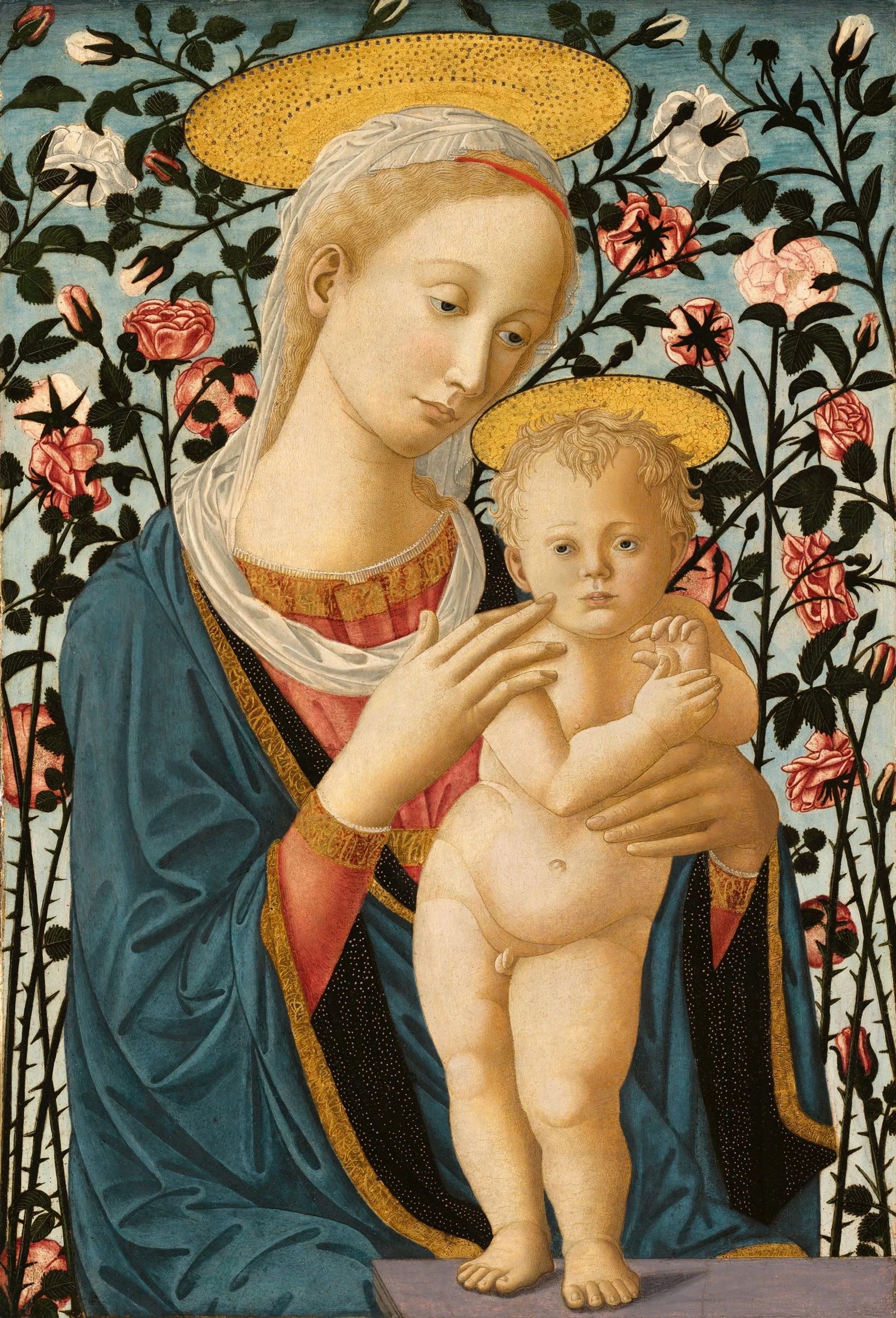
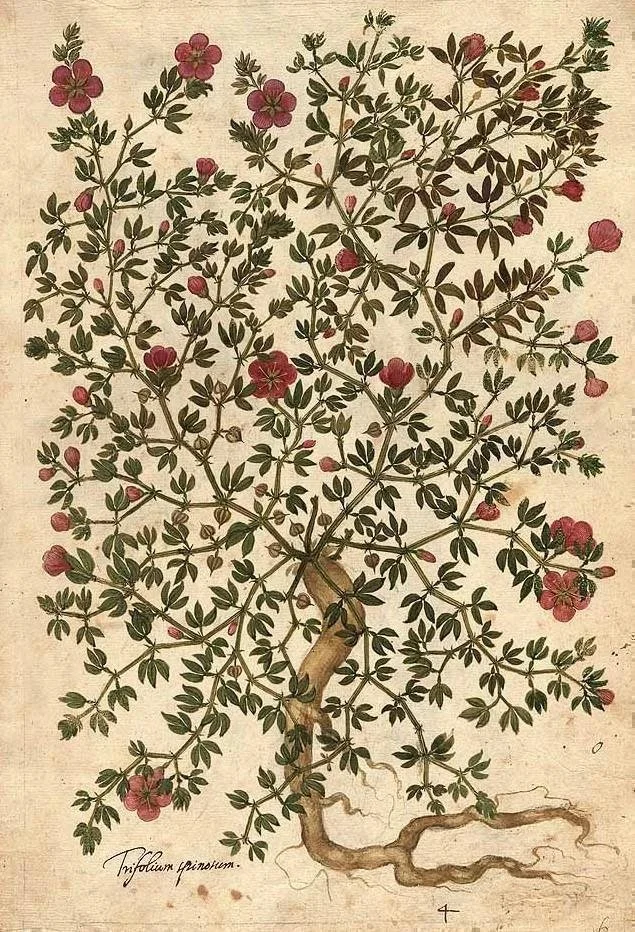
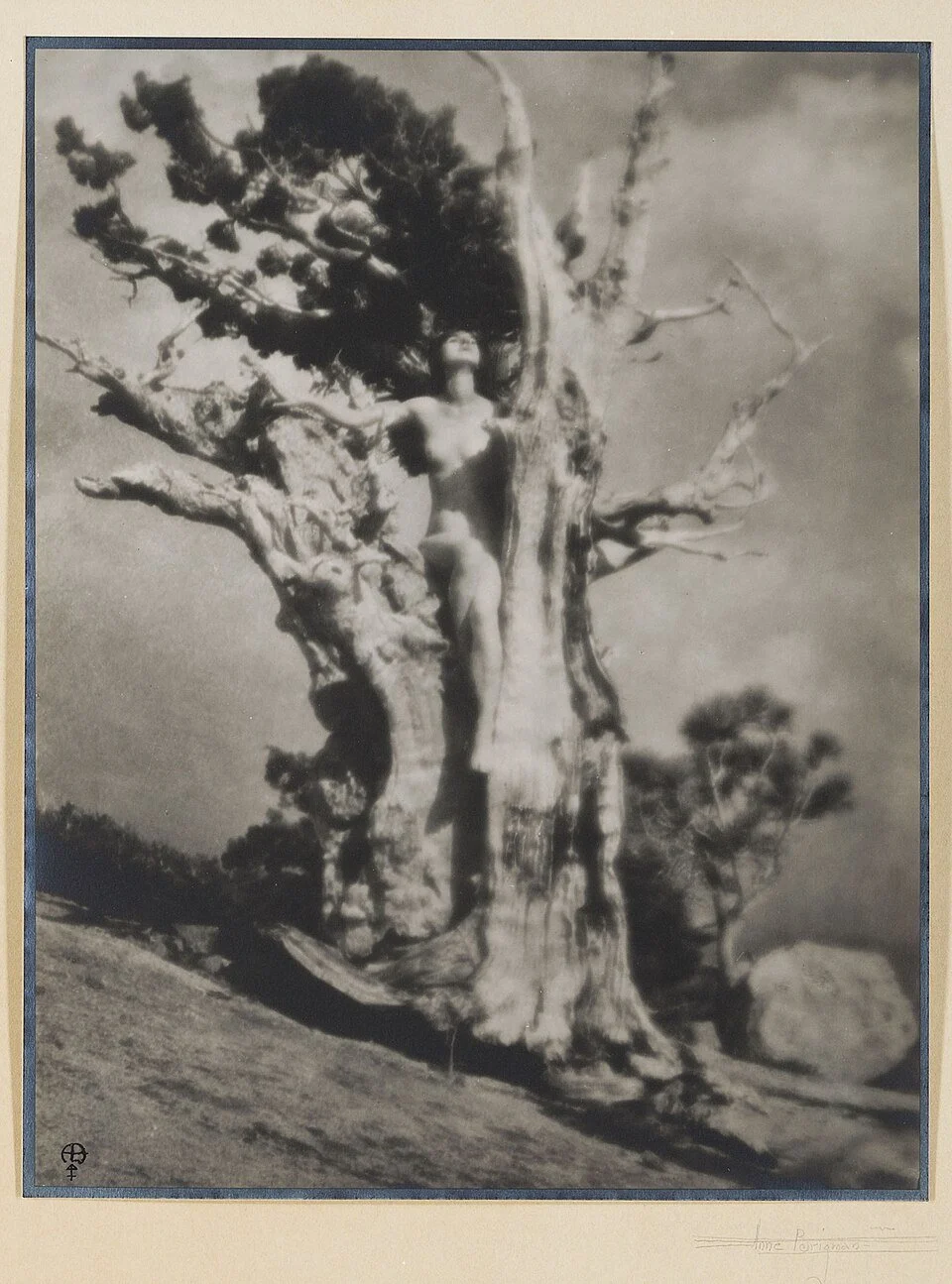
This series is informed by artwork that uses nature to communicate ultimate wisdom. It draws from the symbolism of European botanical memento mori, the values of ikebana, and the mystical poetry of Hafiz, who writes of divinity in the ordinary. It also resonates with the Buddhist concept of refuge: a return to nature as a source of truth, impermanence, and belonging.
Concept & Meaning
Each casting captures a moment of insight — the recognition that we are not separate from nature but inextricably part of it. Transient forms are made strangely enduring in metal, arrested against the disintegration of time. The works meditate on the paradox of fragility and permanence, beauty and truth, ephemerality and endurance. They stand as both archives of the natural world and material meditations.
SOURCE MATERIAL
….intro text.
RESEARCH
PROCESS:
CONTACT